
As urban life grows more compact and screen-heavy, homeowners are increasingly turning inward, seeking refuge in spaces that reconnect them with nature. This shift has propelled biophilic design from a niche concept to a defining trend in 2026 and wood flooring sits at its very heart.
What Is Biophilic Design?
Biophilic design is the practice of incorporating natural elements into built environments to improve well-being, reduce stress and enhance cognitive function. Studies link nature-inspired spaces to lower stress markers, improved mood and better focus, especially for people who spend long hours indoors. In a lifestyle where professionals routinely spend 10 – 12 hours inside enclosed spaces, these benefits are no longer optional they are essential to long-term wellness.
Why Wood Flooring Is the Foundation of Biophilic Spaces
Unlike synthetic alternatives, authentic wood flooring brings nature directly underfoot. Each plank carries unique grain patterns, subtle colour variations and tactile warmth that engage our senses in ways engineered materials simply cannot replicate. This sensory richness is precisely what biophilic design seeks to restore in modern homes.
Premium wood species such as oak, walnut and teak offer more than visual appeal. Their natural thermal properties help create comfortable indoor temperatures, while their acoustic qualities soften ambient noise—shaping interiors that feel both grounded and serene. When paired with abundant natural light, soft textiles and greenery, wood floors become the canvas upon which entire wellness-focused interiors are built.
Trending Ways to Use Wood in Biophilic Homes
- Home yoga and meditation zones
Dedicated wellness corners are becoming a staple in contemporary homes. Solid wood flooring provides a stable yet slightly forgiving surface ideal for yoga or stretching, while its natural texture reinforces the sense of calm. Lighter finishes like oak or maple maximise light reflection, making compact spaces feel open and airy. - Open-plan living with subtle zoning
Many homeowners use wood flooring patterns to create zones within open layouts, maintaining flow while gently defining different functions. A herringbone pattern in the main living area that transitions to straight planks in the dining space adds quiet sophistication without the need for walls or visual clutter. - Bedroom sanctuaries
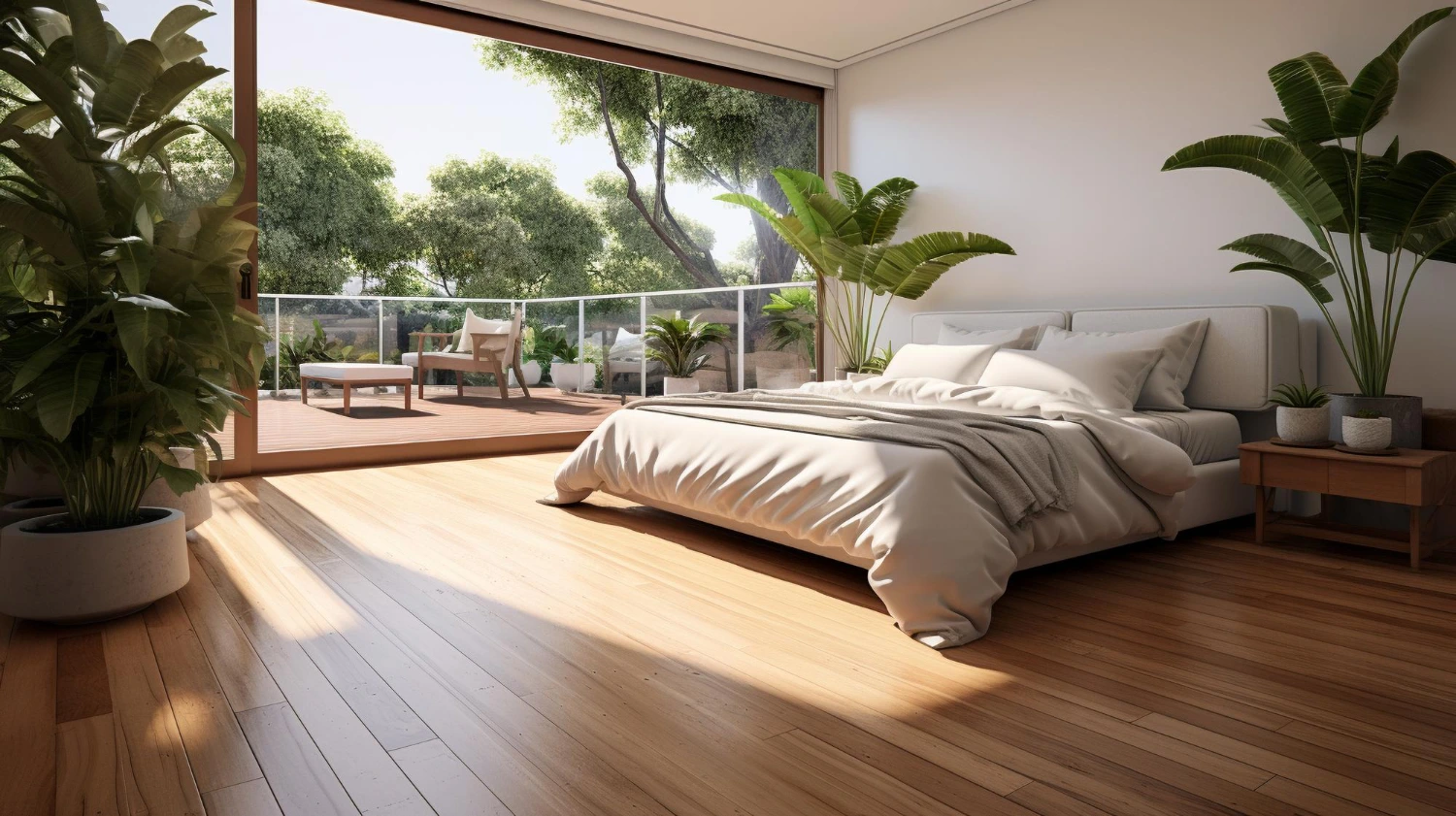
Bedrooms are evolving into true sanctuaries where sleep, recovery and mental rest take priority. Warm-toned wood floors in walnut or teak create cocoon-like environments, especially when paired with minimalist furniture and organic fabrics. Choosing low-VOC finishes and natural materials underfoot also supports better indoor air quality compared with many synthetic flooring options.
Bringing Biophilic Design to Life
True biophilic design is not about placing plants in every corner but it is about crafting holistic environments where natural materials, light and proportions work in harmony. Thoughtful wood installations consider plank direction to guide natural light, select tones that complement surrounding greenery or views, and use finishes that enhance rather than mask the wood’s inherent character.
As wellness-centric design continues to shape interiors in 2026, the choice between synthetic convenience and authentic natural materials is becoming clearer. Wood flooring is not just following the biophilic trend instead it is enabling it, one thoughtfully installed plank at a time.
For homeowners looking to build a wellness-focused sanctuary, premium wood flooring is a powerful first step, thus, bringing nature home in a way that honours both human well-being and contemporary living.