
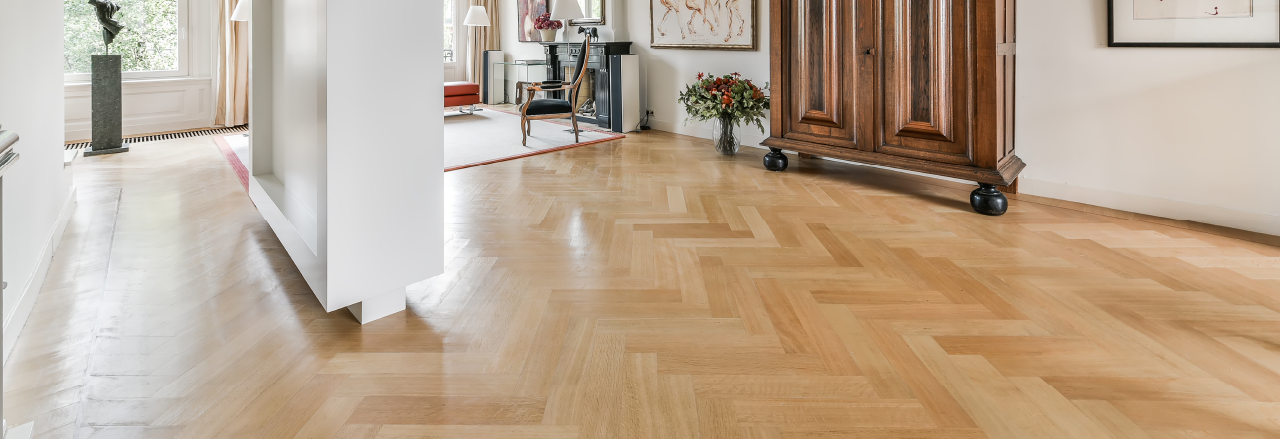
Herringbone flooring has become a popular design trend, admired for its timeless elegance and luxurious feel. Its zigzag pattern adds character and sophistication to both modern and traditional interiors, making it a top choice for homeowners and designers alike. However, like any flooring style, herringbone flooring has its set of disadvantages—particularly when it comes to installation, cost and maintenance.
If you’re considering this style for your home or office, it’s important to understand the potential drawbacks before committing. Whether you’re consulting with a wood flooring company or exploring engineered wood flooring options, here’s what you should keep in mind.
Complex and Costly Installation
One of the most significant disadvantages of herringbone flooring is the complexity involved in its installation. Unlike standard straight planks, herringbone flooring requires precise cuts and meticulous alignment to achieve its signature V-shaped pattern. This often means longer installation times and higher labor costs.
Not all installers are experienced in laying herringbone, so you’ll need to hire a skilled professional—preferably recommended by a reputable wood flooring company—to ensure it’s done right. The more intricate the pattern, the more time-consuming the process becomes, which translates to higher expenses.
Material Wastage
Herringbone patterns typically result in more material waste compared to traditional plank flooring. This is because the boards need to be cut at precise angles to fit the pattern, and the offcuts are often too small or irregular to reuse. Whether you’re using solid hardwood or engineered wood flooring, expect to purchase more material than you would for a conventional layout.
This wastage not only impacts your budget but also increases the environmental footprint of your flooring project. If sustainability is a concern, this is worth factoring into your decision-making process.
Subfloor Preparation is Crucial
For herringbone flooring to sit correctly, the subfloor must be perfectly level and stable. Any imperfections in the subfloor can cause misalignment in the pattern, leading to an uneven finish or even long-term damage to the planks. This often requires additional preparation work, such as levelling or installing a plywood underlay, which again adds to the overall cost and time.
This requirement is especially crucial for engineered wood flooring, which can be more sensitive to subfloor irregularities than solid wood. Improper installation over a flawed subfloor can void warranties and affect the floor’s longevity.
Challenging to Repair
While the durability of herringbone flooring can be quite high—especially if you opt for engineered wood flooring—any damage can be tricky to repair. Matching the pattern and color perfectly is not always easy, especially if your flooring has aged or if the product has been discontinued.
In contrast, repairing standard plank flooring is relatively straightforward. With herringbone, a single damaged plank might require the removal of several surrounding ones to maintain the integrity of the pattern. This can be a tedious and expensive task, particularly if you’re dealing with a glued-down installation.
Limited Design Flexibility Post-Installation
Herringbone flooring makes a bold visual statement, which can be a double-edged sword. While it adds instant character, it also limits your flexibility when redecorating or rearranging furniture. The strong pattern can clash with certain design elements or make smaller rooms feel busier than they are.
If you’re someone who enjoys changing your interiors frequently, this is something to consider before installing herringbone flooring throughout your space.
Conclusion
There’s no doubt that herringbone flooring offers a unique aesthetic appeal that can elevate the look of any room. However, its disadvantages, especially the complexity of installation, higher material costs and maintenance challenge should not be overlooked. Whether you’re leaning towards classic hardwood or considering engineered wood flooring, weigh the pros and cons carefully. A beautiful floor starts with a well-informed decision.