
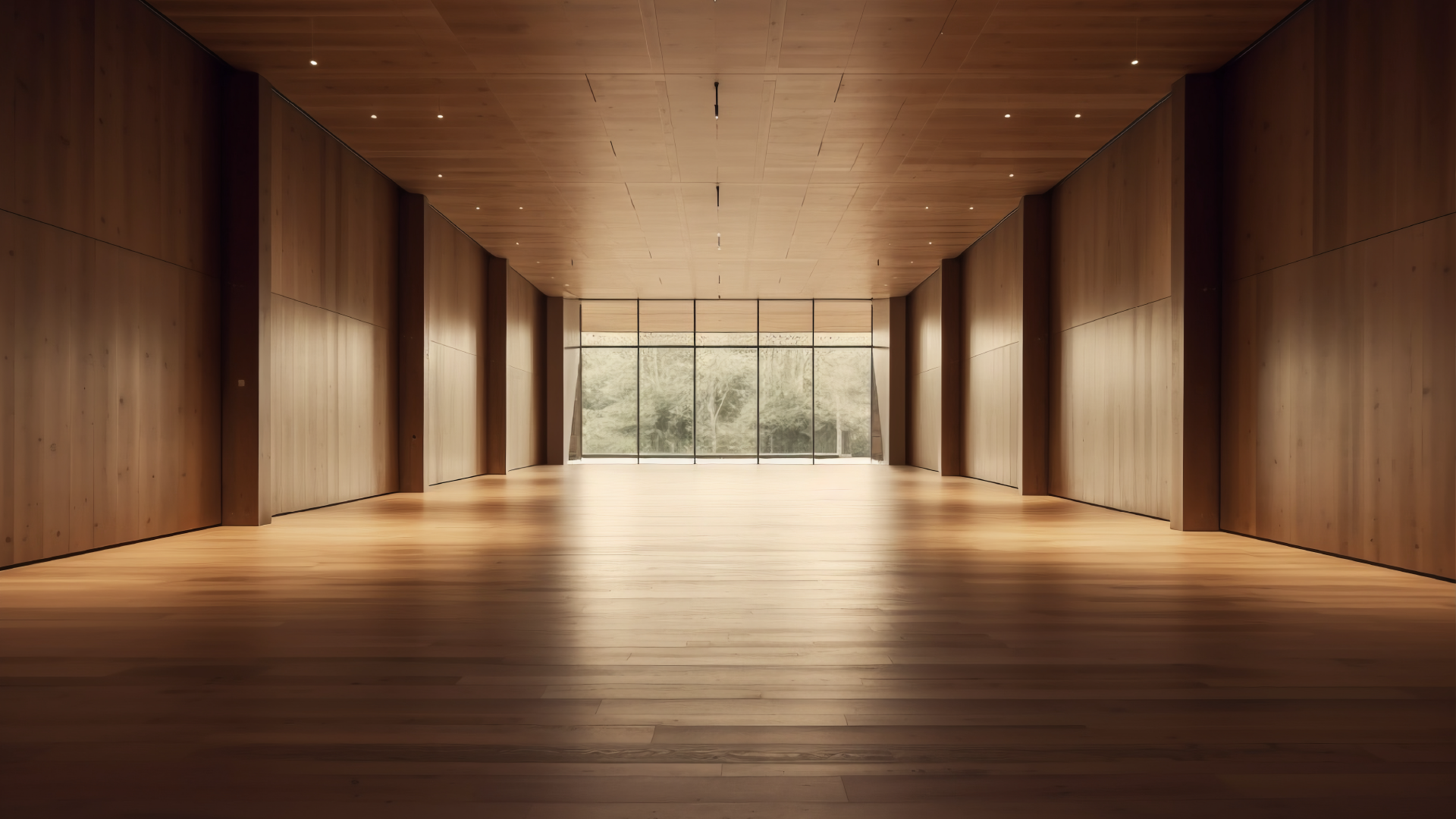
Wood has always been more than a building material – it’s a cultural symbol, a marker of status, and a testament to human craftsmanship. Across civilizations, timber formed the backbone of architecture, carrying lessons that remain surprisingly relevant to modern flooring today.
In this blog, we explore how the history of wood in architecture still shapes contemporary design, and what architects, homeowners, and designers can learn from the ancient wood techniques that have stood the test of time.
The Roots: Wood in Ancient Civilizations
From the polished oak floors of Greek amphitheaters to the carved teak beams of Indian temples, wood was a foundation of early architecture. These weren’t just practical choices – they were cultural statements.
- Egyptians imported cedar from Lebanon for its durability and fragrance.
- Japanese temples used hinoki (cypress), prized for its longevity and resistance to rot.
- Indian palaces showcased rosewood and teak, both elegant and resilient.
This indigenous timber craftsmanship proved that selecting the right wood species was as much about artistry as it was about structural integrity.
Traditional vs. Modern Flooring
While technology has introduced new options like laminate and SPC, the essence of wood remains unchanged: warmth, strength, and timeless appeal.
- Traditional Flooring: Hand-hewn planks, natural oils, and joinery without nails. These created breathable, living floors that adapted with time.
- Modern Flooring: Engineered wood, pre-finished planks, and precision tongue-and-groove profiles that reduce installation time and increase stability.
In both cases, wood adapts to cultural and climatic needs, reflecting the same pursuit of durable flooring lessons across centuries.
Ancient Techniques, Modern Relevance
Civilizations perfected methods that today’s architects still admire:
- Interlocking systems in Japanese pagodas inspire today’s tongue-and-groove flooring profiles.
- Natural oils and waxes used by Romans mirror today’s eco-friendly finishes.
- Raised wooden platforms in tropical regions echo modern decking, designed to withstand humidity.
These timeless wood aesthetics show that flooring is not only functional but also a cultural bridge across time.
Cultural Flooring Inspirations
Modern interior design borrows heavily from heritage:
- Scandinavian minimalism celebrates pale pine floors for light and warmth.
- Indian interiors lean on teak’s golden hues for luxury and tradition.
- Mediterranean homes often reflect centuries-old oak textures for rustic elegance.
In every case, history shapes the design language of flooring choices.
What Architects & Homeowners Can Learn
The wisdom of ancient builders offers simple yet powerful takeaways:
- Choose timber wisely – species selection defines both beauty and performance.
- Respect the finish – natural oils and finishes preserve longevity.
- Design for climate – wood adapts differently in every environment.
At Kingsmen, we carry forward this legacy by combining indigenous timber craftsmanship with modern engineering, offering flooring solutions that are rooted in history yet ready for the future.
Flooring as Legacy
From temples and amphitheaters to modern residences, wood has remained a timeless architectural companion. Ancient civilizations remind us that true design lies not just in aesthetics, but in durability, cultural relevance, and respect for natural materials.
With Kingsmen’s solid wood flooring, decking, and cladding, you don’t just install a surface – you continue a tradition that spans centuries.